
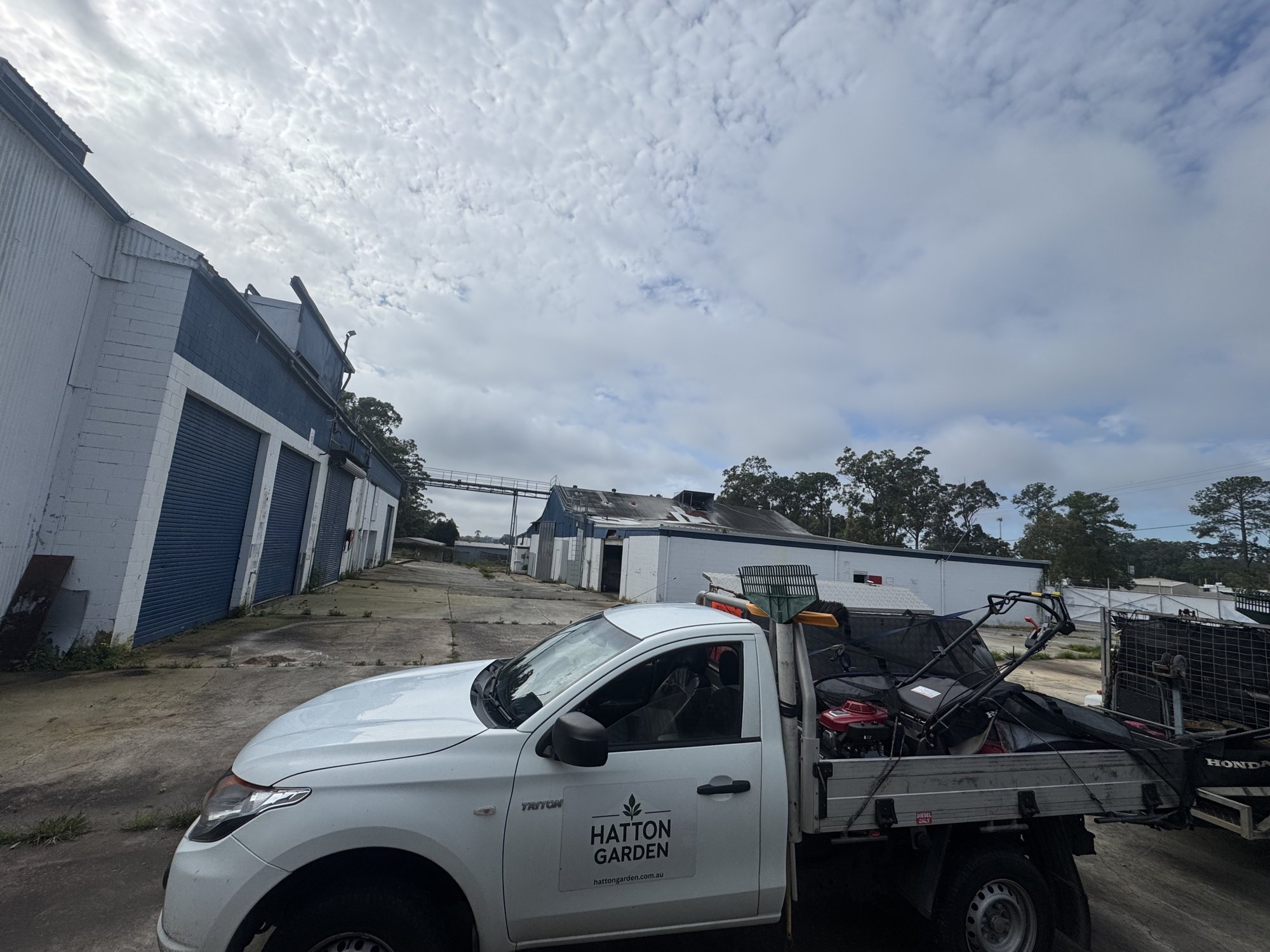
A vacant lot left for one wet season on the Sunshine Coast stops being a lot and starts being a liability. Grass goes knee-high, the verge grows into the hoarding, and the cover hides everything you don’t want on a site: dumped rubbish, snakes, rodents and dry fuel. This is what a proper slash and clear looks like, and how to keep it that way.
Why an overgrown lot is a problem, not just an eyesore
Fire fuel. Long, dried-off grass against a building or a fence line is a fuel load. Councils across the Sunshine Coast can issue notices for overgrown allotments, and the clean-up cost lands on the owner either way.
Pests and snakes. Long grass is habitat. Once rodents are in, they move into the building. Once snakes are in, nobody wants to walk the site.
Dumping and access. An unkempt lot signals nobody is watching. Rubbish, trailers and vehicles start turning up, and the site becomes harder to inspect, show to a buyer or hand to a builder.
Presentation. For a development site or a lot that’s on the market, the street view is the listing. Hoarding with grass growing through it says the opposite of what the signage does.
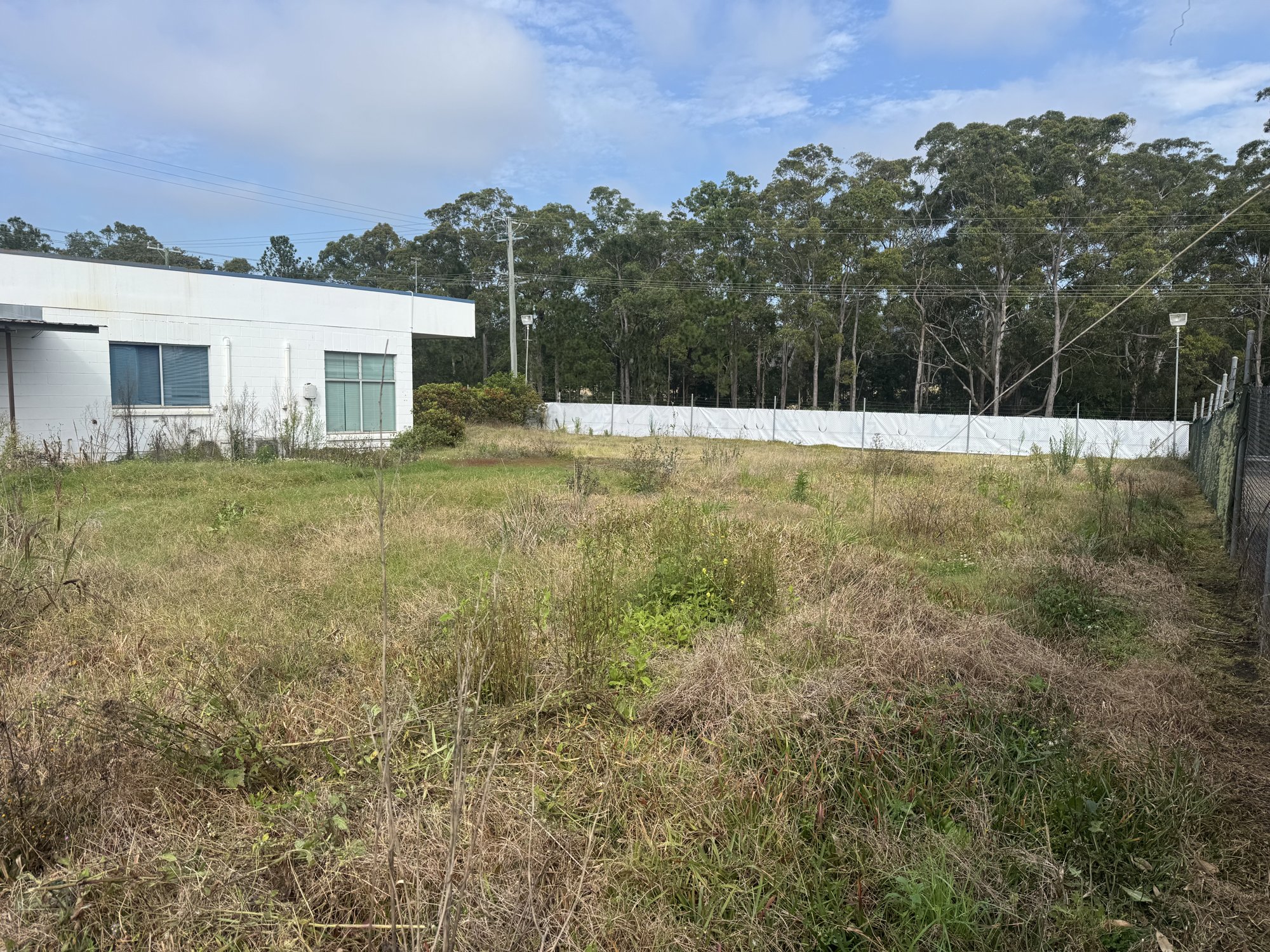
Before — a season of growth across the lot.
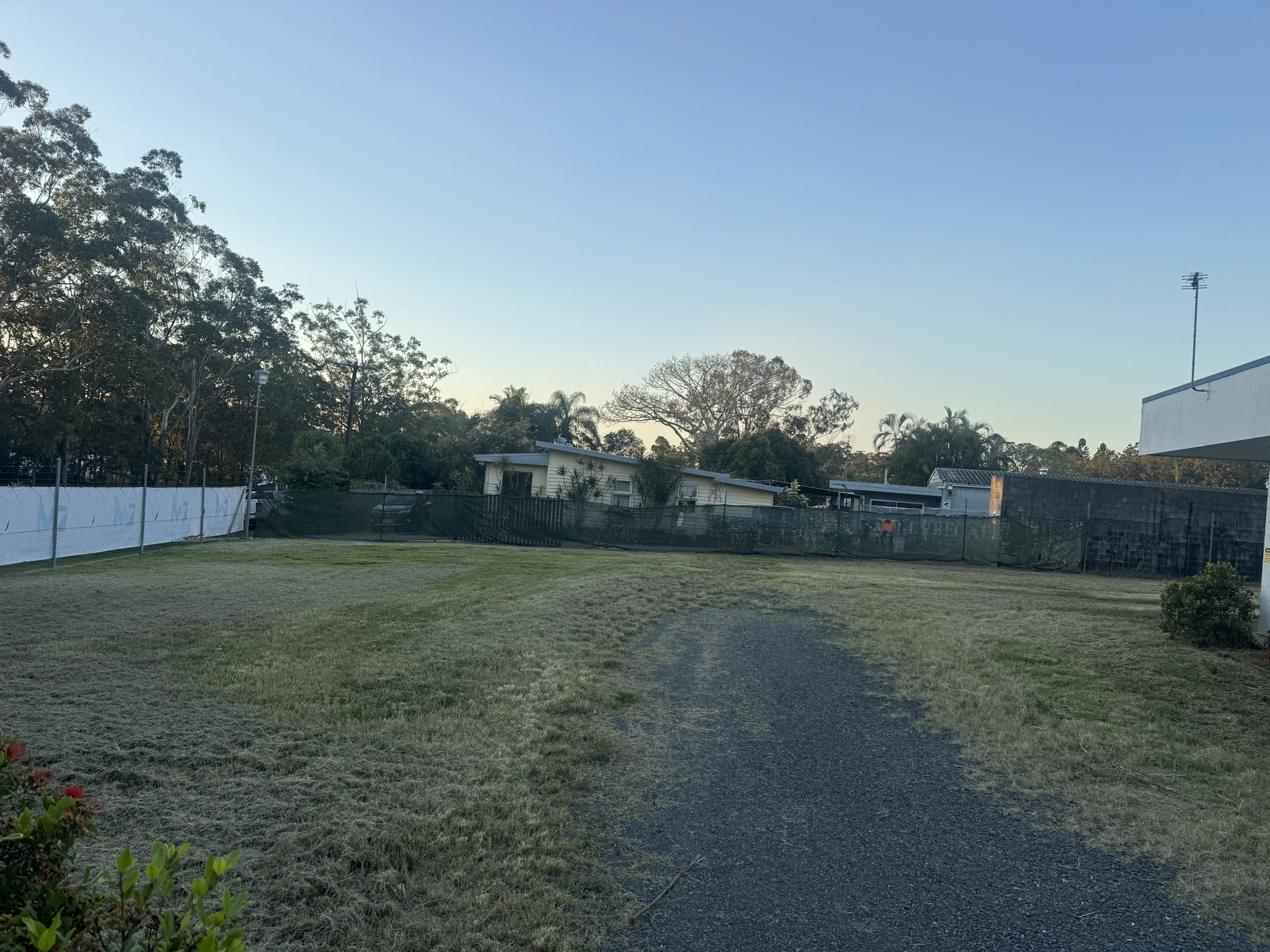
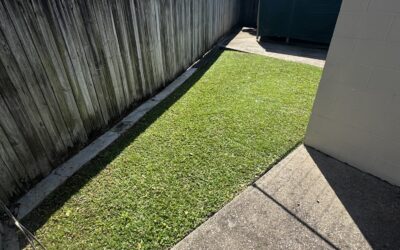
After — slashed, raked and inspectable by late afternoon.
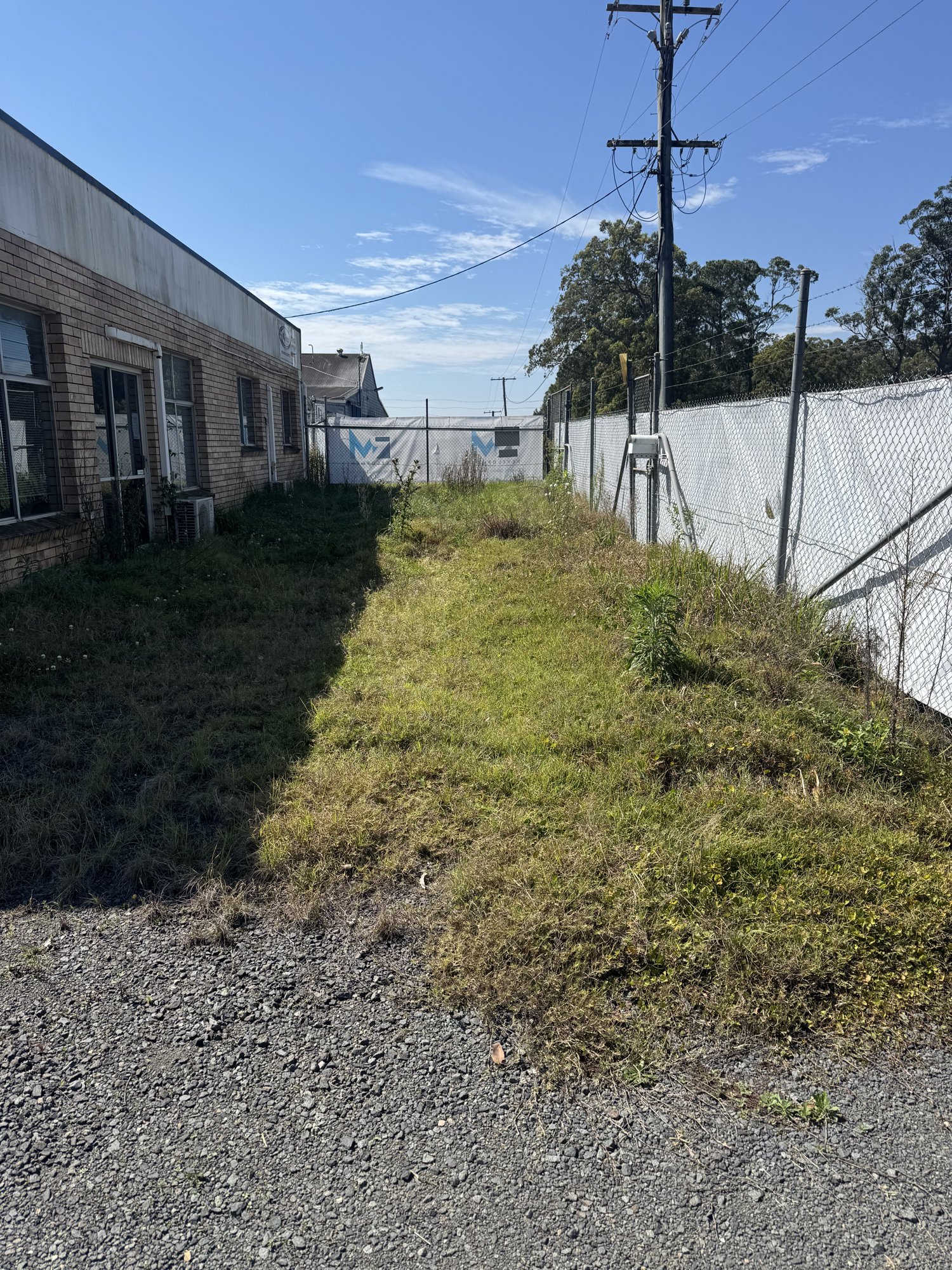
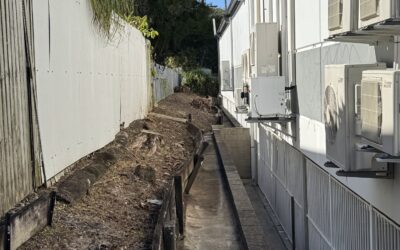
Before — knee-high growth along the building line.
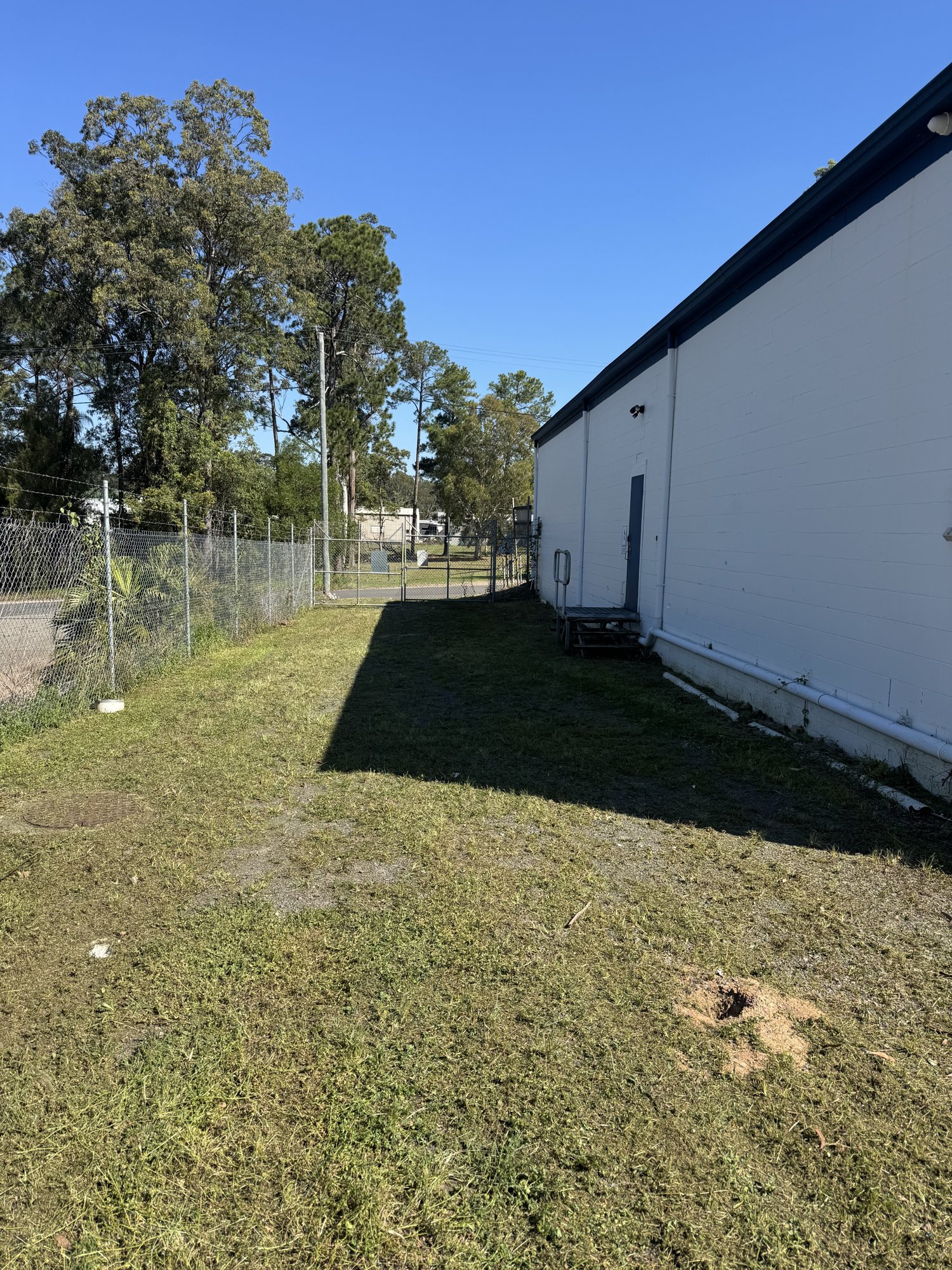
After — cut back to a clean, even finish against the wall.
What a proper clear involves
Slashing is the easy part. The difference between a lot that looks cleared and one that stays cleared is the detail work around the edges.
- Slash the open ground to a consistent height so regrowth comes back evenly and the next cut is straightforward.
- Brushcut the building line, fences and hoarding where the slasher can’t reach. This is where fuel load and pests actually sit.
- Clear the street verge and crossover so the frontage reads as maintained from the road and the footpath is usable.
- Remove what the grass was hiding. Dumped rubbish, tyres and timber come out, or get flagged to you with a photo if they need a skip.
- Photograph it. Same angles before and after, so you have a record for the owner, the council or the buyer.
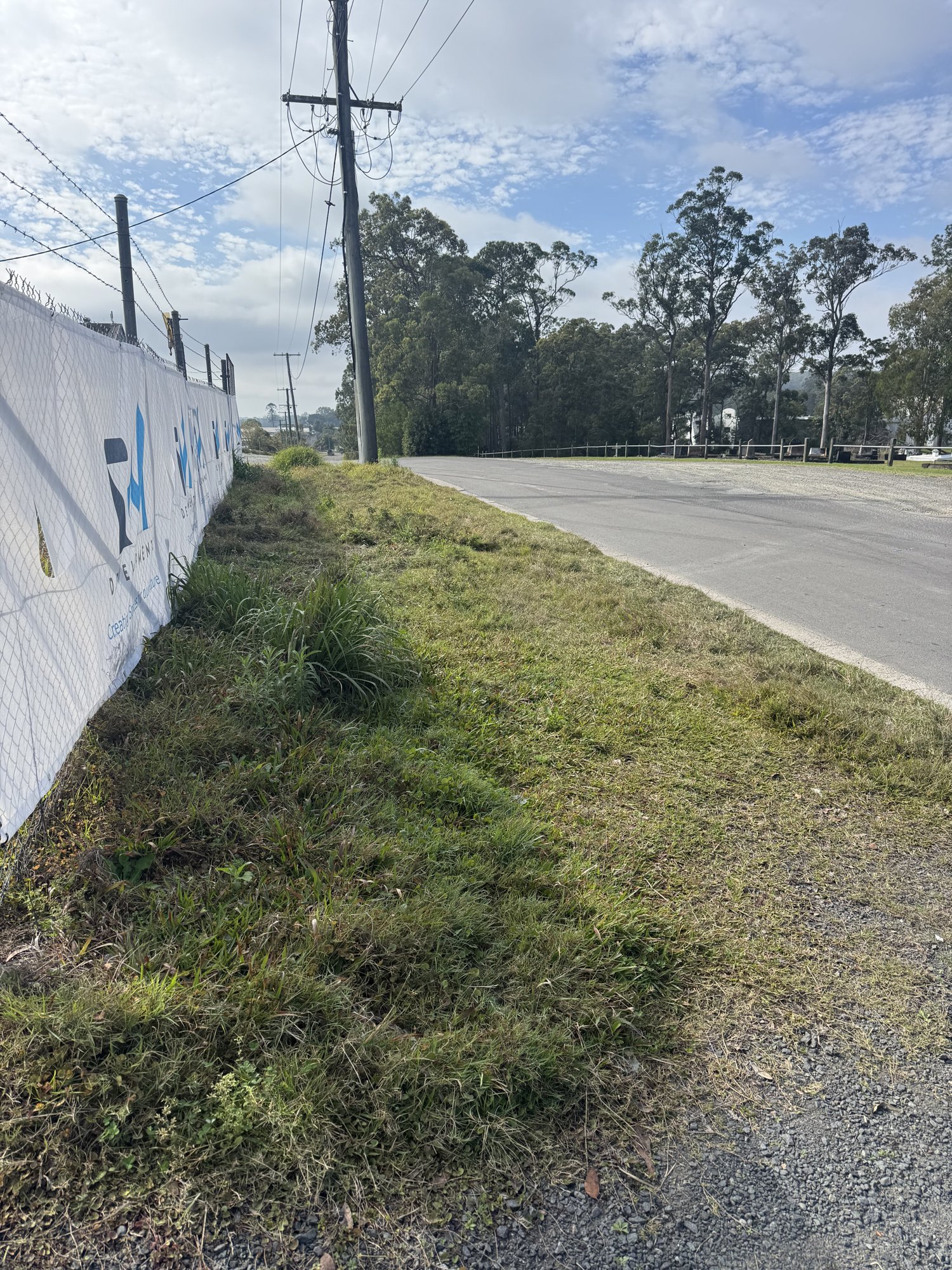
Before — verge grown into the hoarding.
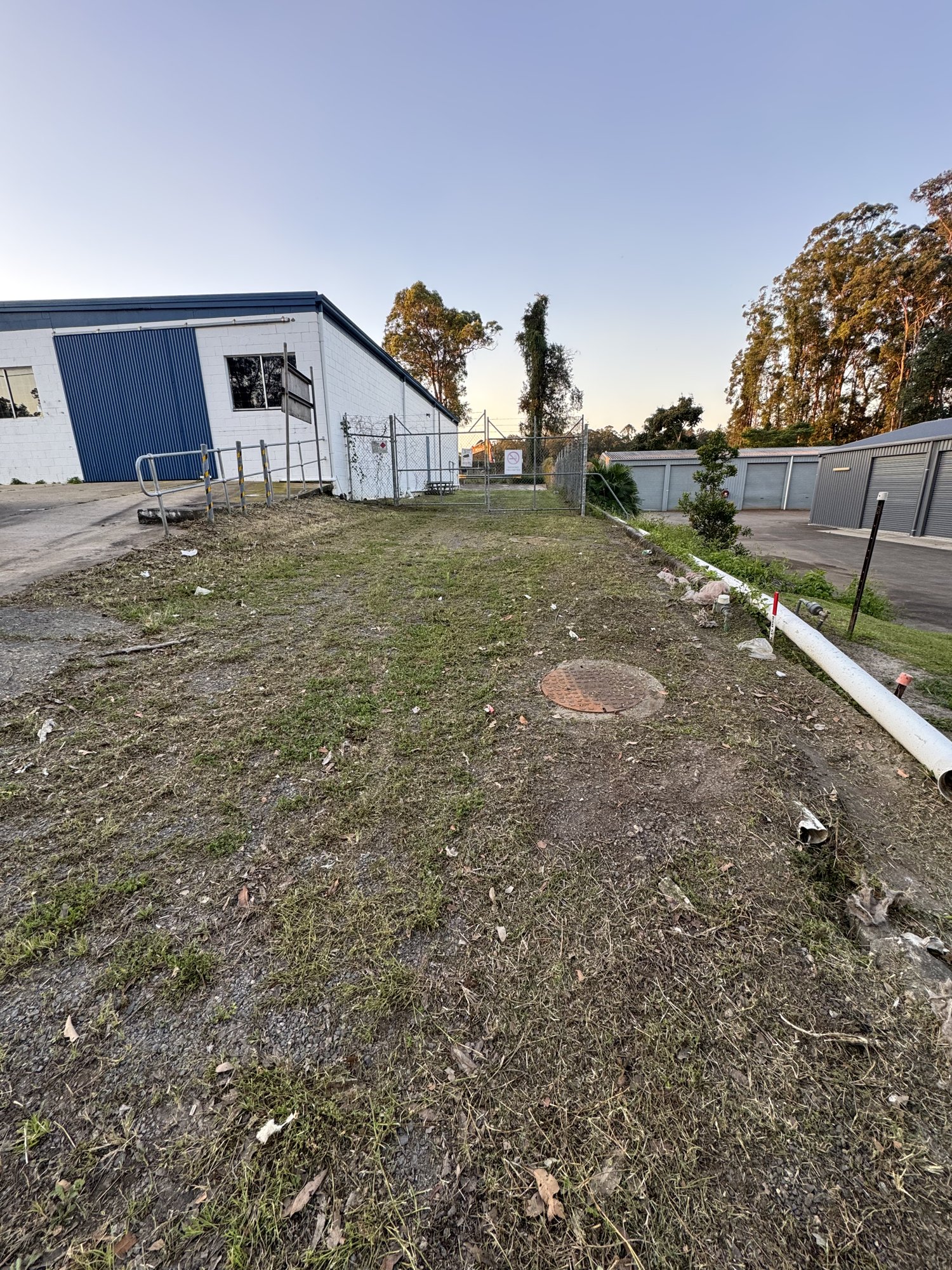
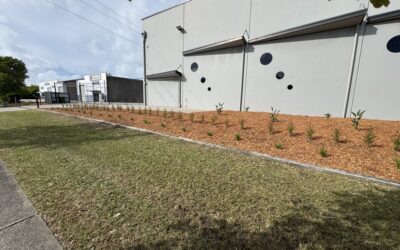
After — verge and frontage cleared, end of day.
Keeping it cleared
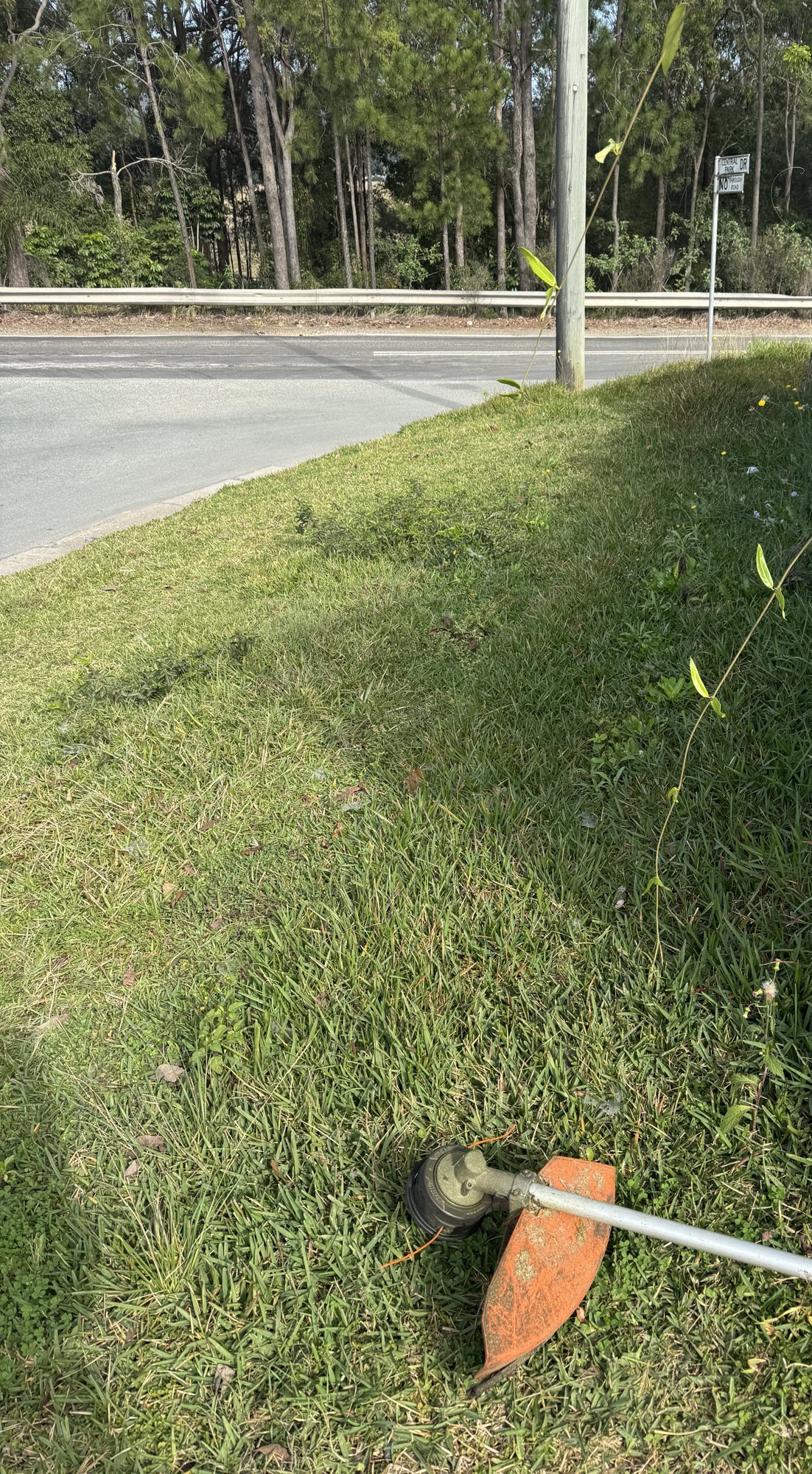
One clear buys you a few weeks. In summer on the Sunshine Coast, kikuyu and couch will be back to ankle height in a month. The cheaper approach over a year is a scheduled cycle: monthly through the wet season, six to eight weekly through winter, adjusted to what the site is doing. Each visit is quicker and cheaper than a season’s worth of catch-up, and the lot never gets to the point where it draws a complaint.
Every visit is photo-logged. If you’re managing the lot for an owner, a developer or a body corporate, you get the before and after without having to drive out yourself.
Get a vacant lot quote
Send us the address and a photo if you have one. We’ll quote the initial clear and a maintenance cycle to suit the site, anywhere from Caloundra to Noosa.
Helpful links: Services · Commercial Grounds Maintenance
FAQs
How often does a vacant lot need slashing on the Sunshine Coast?
Roughly monthly through the warmer, wetter months and every six to eight weeks through winter. We set the cycle to the site rather than a fixed calendar.
Do you remove rubbish found on the lot?
Small items come out as part of the clear. Anything that needs a skip or a trailer load, we photograph and quote separately so there are no surprises.
Can you clear around hoarding and fencing?
Yes. Brushcutting the fence and hoarding lines is part of every clear, not an extra.

0 Comments