
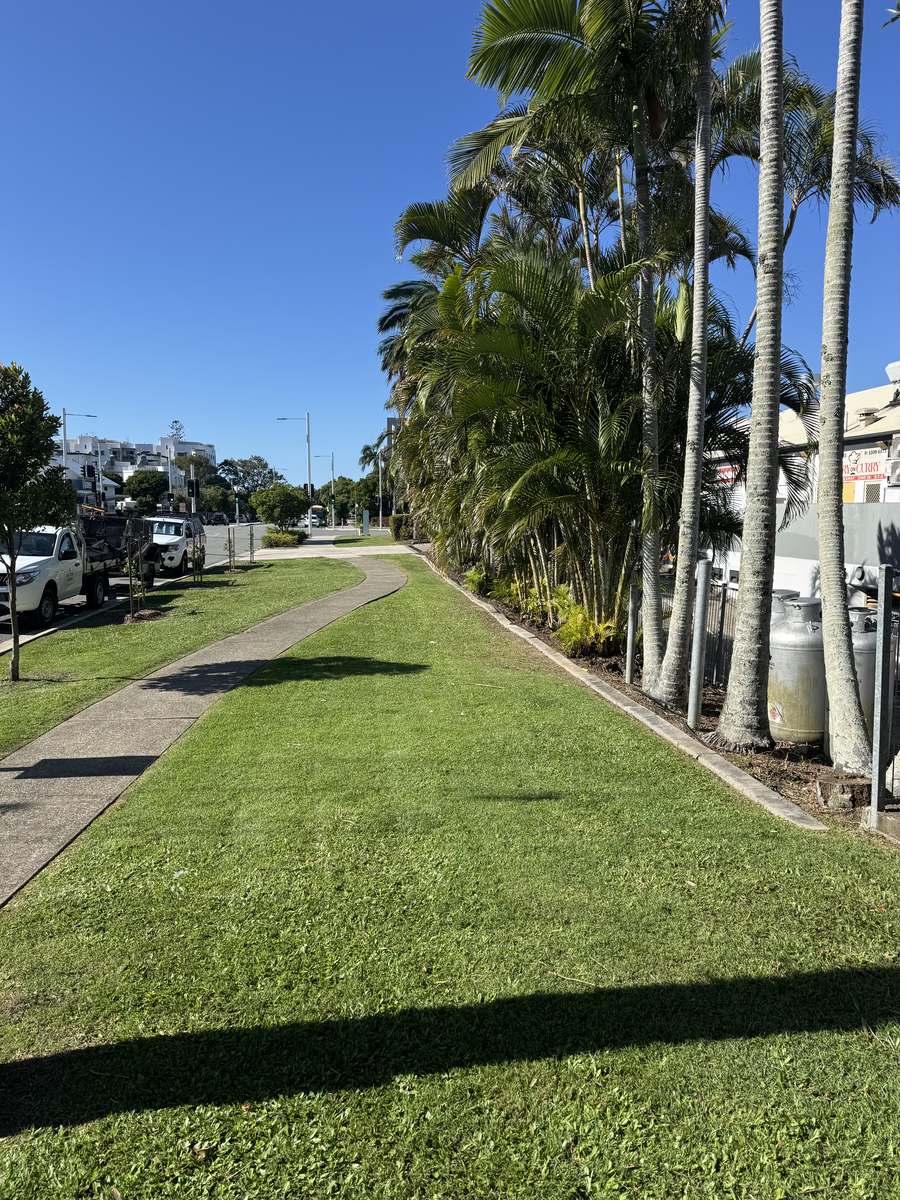
Keeping common areas in top condition is part presentation, part safety, and part risk management. The right plan prevents complaints, protects people, and keeps committees out of “emergency tidy-up” mode.
What “good” looks like (presentation, safety, compliance)
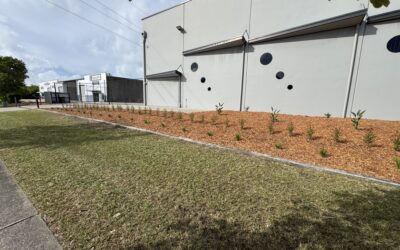
Presentation: Lawns edged and even, hedges shaped, beds weed-free and mulched, paths clear. “Good” looks consistent, week after week, not just after a blitz.
Safety: Trip hazards and slip risks (seed pods, leaf litter) removed quickly; sightlines at driveways and entries kept clear.
Compliance: Contractors demonstrate WHS, SWMS, insurance, and safe chemical handling. Photo logs and visit notes make this visible to the committee.
Typical strata scope (weekly/fortnightly)
Lawns & edging
Regular mowing with crisp edges along paths, driveways and garden interfaces. Expect tidy clippings control, consistent height, and clean edges that define space.
Hedges & small trees (up to 3 m)
Shaping for uniform height and width, with selective thinning where airflow or visibility matters. Include palm de-fronding and de-seeding where relevant.
Garden beds (weeding, fertiliser, mulch)
Mechanical weed control first, selective spraying only where necessary. Slow-release fertiliser to keep plants vigorous. Maintain 50-75 mm mulch depth for weed suppression and soil moisture.
Hard-surface tidy & green waste
Blow-down of paths, entries, bin bays and car parks. Green waste removed or processed per site plan so the property looks finished after each visit.
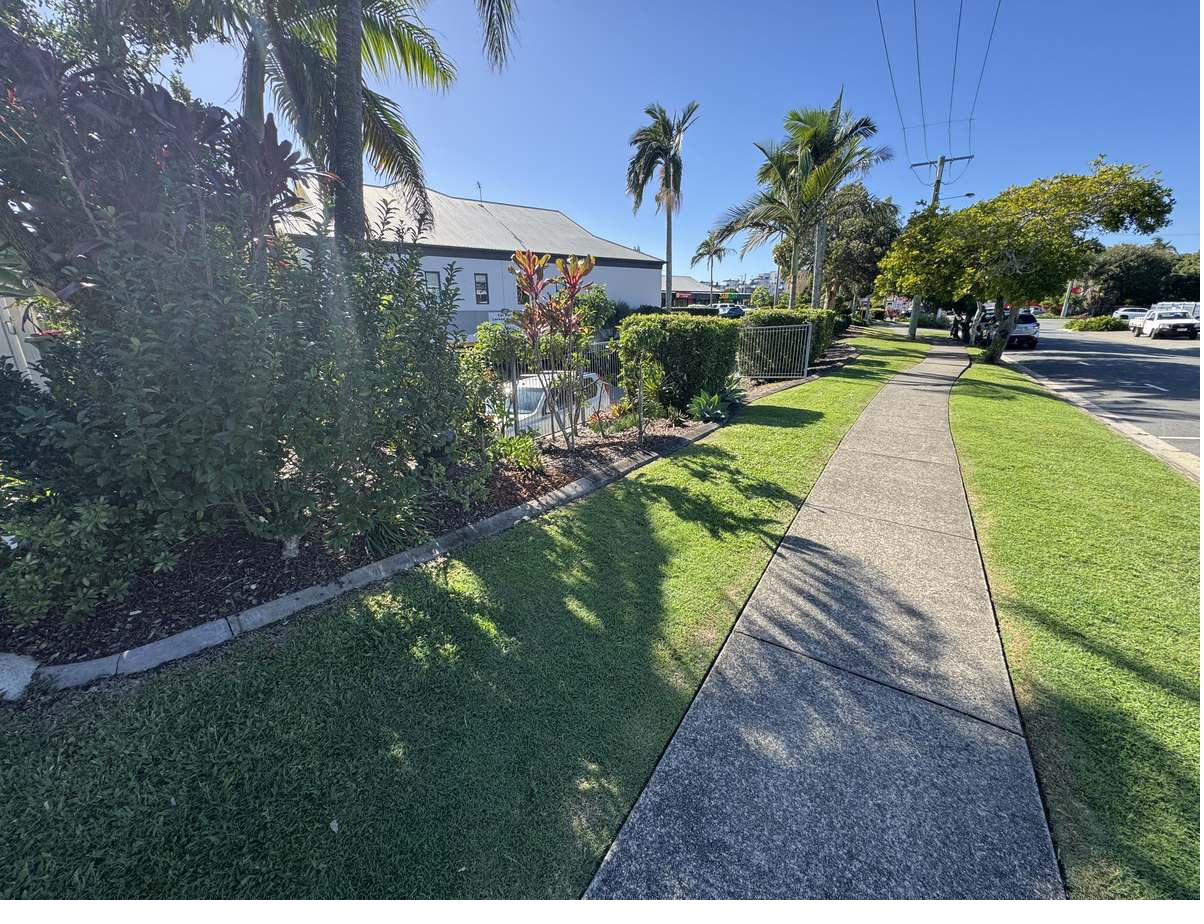
Visit frequency by season (Sunshine Coast climate)
- Spring to early summer (peak growth): Weekly is common for lawns and hedges; beds checked every visit.
- Mid to late summer: Weekly or fortnightly depending on irrigation and growth rate.
- Autumn to winter: Fortnightly can work well; maintain hedging cadence and keep paths clear of leaf fall.
- Storm periods: Keep flexibility for debris removal and palm seed drops.
Reporting that helps committees decide
Short, visual updates beat long reports. Aim for:
- Four to six before and after photos per visit (hedge lines, entries, high-visibility areas).
- One paragraph of notes: what was done, issues observed, recommendations.
This format drops neatly into committee updates and builds an evidence trail.
Budgeting & fixed-price plans
Predictability wins. Fixed-price maintenance with a clear scope avoids surprise invoices. Keep a small contingency for seasonal surges or once-off works such as a mulch top-up or storm clean-up. Review quarterly.
Compliance essentials (WHS, SWMS, insurance)
Ask contractors to provide:
- Public liability and workers’ compensation certificates
- WHS policy and site-specific risk assessments
- SWMS for relevant tasks, such as hedge trimming near traffic or chemical use
- Induction and competency records, and an incident reporting process
Next steps: free site walk-through
A 20 to 30 minute walk-through clarifies scope, frequency and budget fast. You’ll get a fixed plan, a sample photo log and a start date.
Book a free strata site walk-through
Helpful links: Strata Grounds Maintenance · Contact
FAQs
How often should we schedule visits?
Weekly in peak growth; fortnightly in cooler months. We’ll recommend a cadence after the walk-through.
Do you attend committee meetings?
Yes, onsite or virtual. We provide short photo-backed updates you can share.

0 Comments